

[ad_1]
On the eve of my departure from IFFI this year, the queue for Yi Yi started snaking toward its restoration screening at the festival. My vision had started to lose frames from the inertia of five straight days of festival scheduling.
INOX Panjim and Maquinez Hall had blurred into one extended corridor of screenings, rushed Q&As, and the perpetual WhatsApp chatter about who’d walked out of what. The 4K restoration of Edward Yang’s film was my last screening before heading back to Delhi and its usual horrors, and as much as I worship the thing, I was one poorly timed fade-to-black away from passing out in my seat.
The 4K restoration of Edward Yang’s ‘Yi Yi’ was screened at the 56th International Film Festival of India in Goa
| Photo Credit:
Ayaan Paul Chowdhury
Three hours later I walked out as the last person to leave the venue. The campus was empty in a strangely theatrical way, with its banners stirring a little, security yawning by the gate and the sky over Panjim cool and indifferent. It felt surreal that after sitting through one of the most intensely alive films I’ve ever had the privilege of witnessing on the big screen, a couple spellbound festival friends and I were suddenly reduced to a few tired silhouettes crossing an empty courtyard once more. The melancholy of that moment fit the movie a little too well, for Yi Yi is about how life keeps going in small, unremarkable steps even when something enormous has just passed through you.
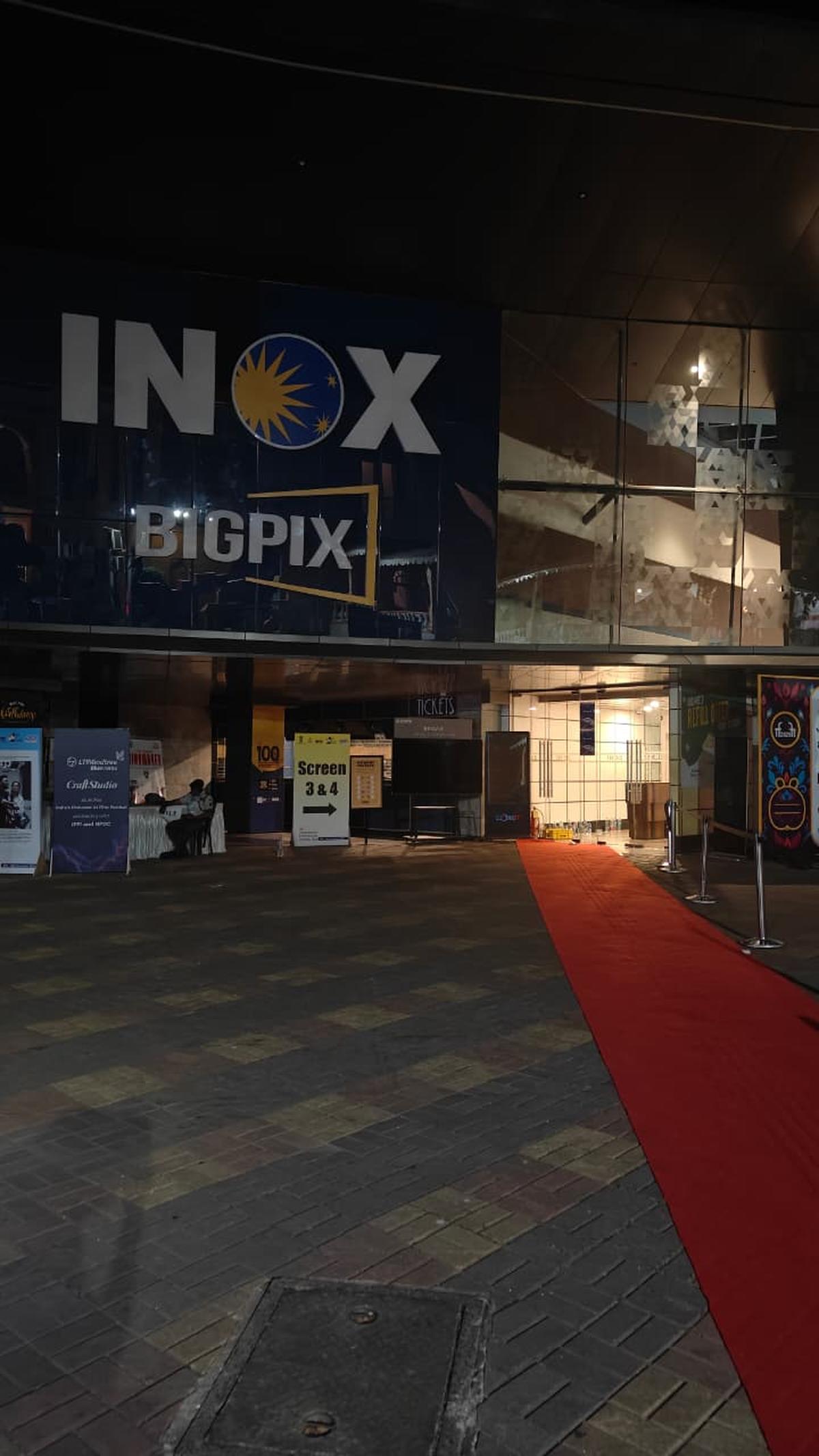
The deserted INOX Panjim festival venue at the at the 56th International Film Festival of India in Goa.
| Photo Credit:
Ayaan Paul Chowdhury
What made that lingering rush of emotions I’d felt back in Goa feel especially charged in 2025 is where the film sits now. A quarter century after its release, Yi Yi is still a cornerstone of modern cinephile culture. In the 2022 Sight & Sound poll of the greatest films of all time, it climbed into the critics’ top hundred, tied around the nineties alongside Parasite and Ugetsu as one of the key modern titles. Throughout 2025, the film’s restoration has been touring festivals and art houses across the world, billed in copy as “one of the great masterpieces of the twenty-first century”.

Contemporary cinephilia is shaped by platforms and playlists. Letterboxd lists, Instagram recommendations, YouTube video essays, and Twitter messiahs that pass around festival links like contraband — all of these have made global art cinema oddly accessible again. For younger cinephiles who discovered cinema on streaming, the three-hour Taiwanese family drama you log with trembling sincerity, is now a rite of passage. In that ecosystem, watching it at Goa plugged the festival directly into this larger, slightly nerdy celebration of Yang’s legacy.
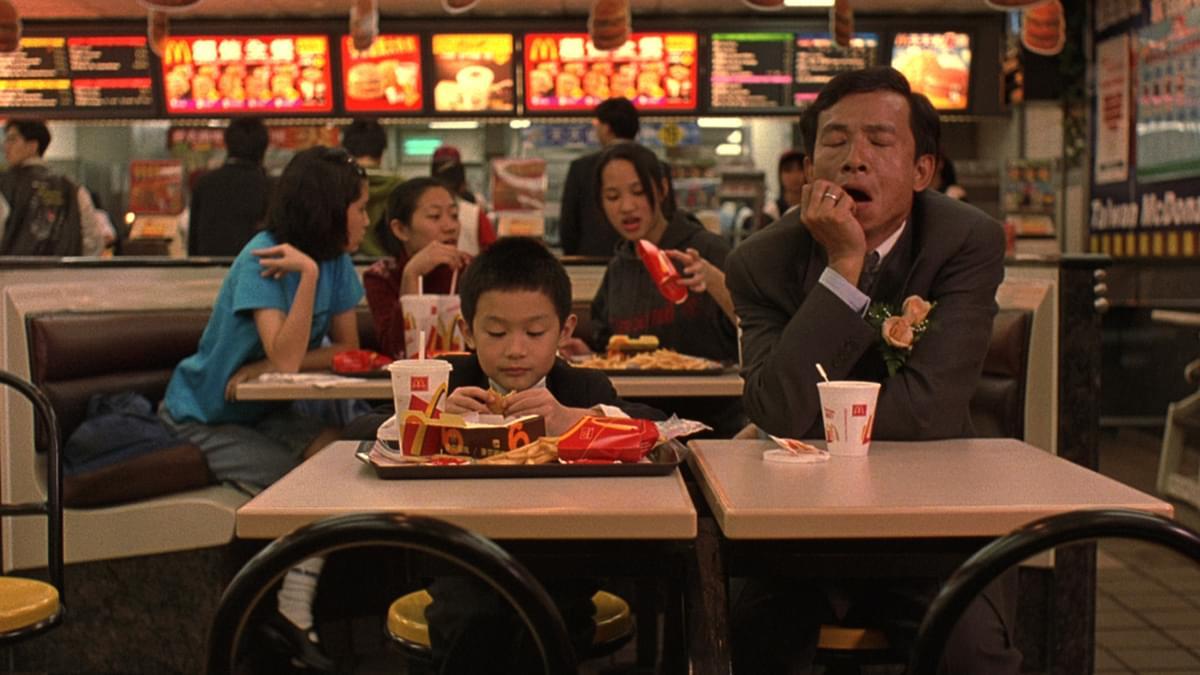
A still from ‘Yi Yi’
| Photo Credit:
Janus Films
Part of the film’s enduring charm comes from how cleanly it cuts through the noise. We are currently living inside an echo chamber of push notifications, crisis headlines, climate dread, and the numbing churn of doomscrolling through brainrot; our big screens are dominated by worlds that reset themselves every few years, with new actors and brand strategies; and our lives are being constantly framed by front cameras, security feeds, and “For You” pages — the mere suggestions of these insipid realities seem so preposterously detached from the patient, fulfilling tenderness of Edward Yang’s world. Yi Yi looks at urban life at the turn of the millennium and sees questions that have only sharpened: What am I doing every day? What do I actually remember?
Unlike the abstracted first viewings of the film on my laptop, Min-Min’s breakdown now suddenly felt uncomfortably contemporary in a dark theatre, snapping into focus a particular kind of modern crisis I could have sworn chancing across my Twitter feed. Her confession that she has “so little” to tell her comatose mother about her days felt part of Yang’s many damning prognostications on productivity culture. The film predates Outlook mail notifications, Slack channels and Teams calls, but the sensations of a life flattened are the same. Min-Min’s crisis is an indictment of how capitalism has trained us all to move, think, and forget.

The business anxieties and resurrected romance of NJ’s storyline in Tokyo, plays differently against today’s pop culture as well. We’re saturated with multiverse narratives where characters glimpse the roads not taken — Everything Everywhere All at Once even turned that into a Best Picture-winning genre — but Yang’s version is smaller and harsher. There is only the ache of two middle-aged people realising that the past they mythologised was shaped by the same uncertainty that paralyses them now. It really puts into perspective how much contemporary cinema has been selling the spectacle of regret, but Yi Yi treats that fated hotel corridor where nobody says the exact thing they mean, as something granular and boring and therefore truer.
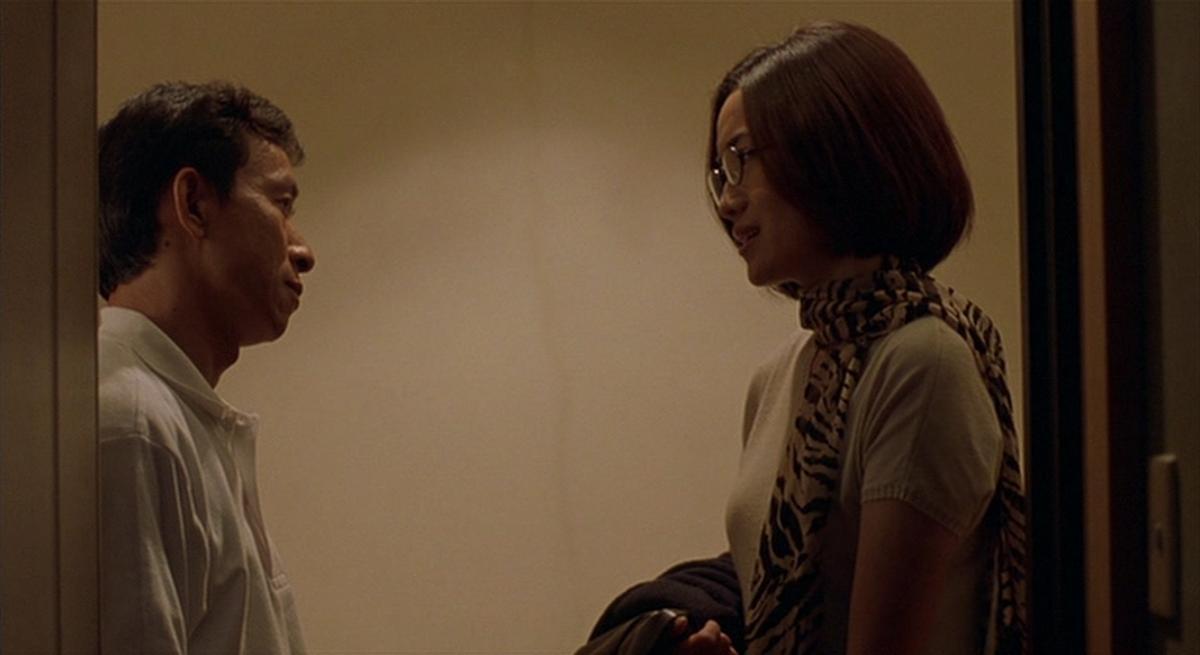
A still from ‘Yi Yi’
| Photo Credit:
Janus Films
There was also good old Yang-Yang, wandering around with his camera like a tiny archivist of human blind spots, photographing the backs of people’s heads as if he’s mapping the parts of our outsourced selves. Initially scoffed at by his lowbrow lout of a teacher, Yang-Yang’s iconography offers up the discomforts of not seeing yourself without relying on someone else’s vantage. And against a culture terrified of relinquishing authorship over its own image, the kid’s stubborn sincerity felt almost allegorical for the forgotten social truths of clarity as a collaborative act. Sitting in the dark at Goa, surrounded by people I’d likely never speak to again, the thought landed harder than expected. Film festivals after all, are temporary societies built on borrowed vision — for a few days, we let the films and the strangers beside us lend us angles we’d never find on our own.

The city in Yi Yi also speaks fluently to 2025. Yang’s Taipei, with its glass facades, office grids, and overlapping reflections, anticipated the way contemporary cities feel like they’re forever watching themselves. Delhi and Taipei are different beasts, but walking back through Panjim’s mall-adjacent architecture after the screening, I kept noticing how bodies were framed by glass and lit signage in ways that Yang would have understood instinctively. His work belongs to the same broad urban tradition as Wong Kar-wai and Hou Hsiao-hsien, yet it now also dialogues with an era threatening anything and everything with the promises of content.
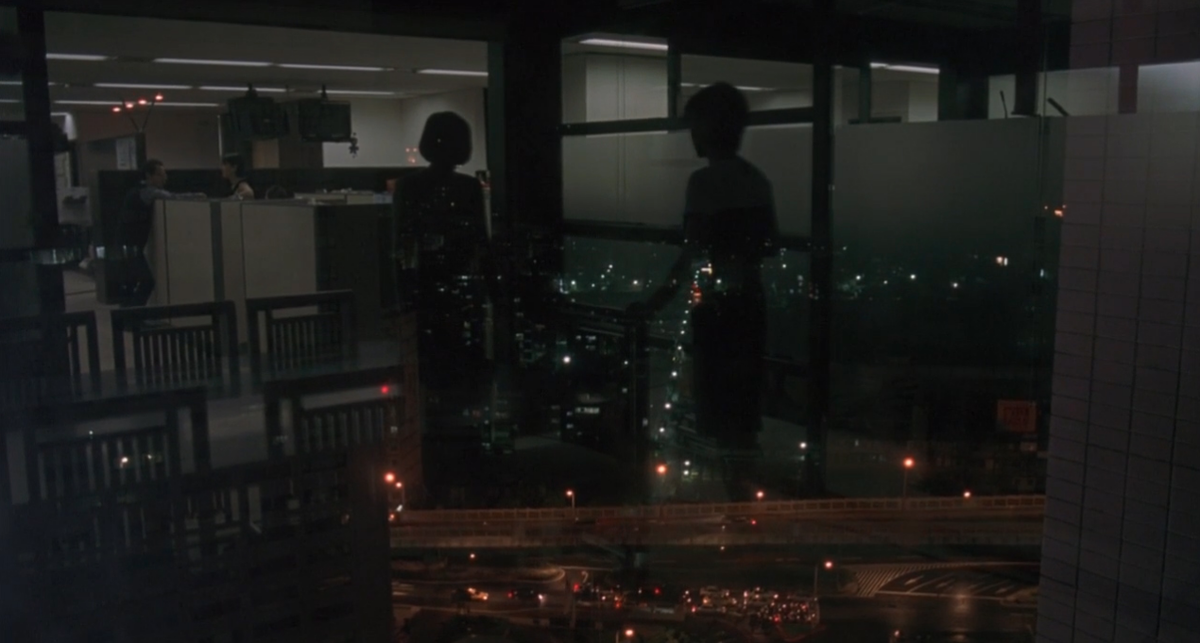
A still from ‘Yi Yi’
| Photo Credit:
Janus Films
Watching Yi Yi this year also meant watching it as a Taiwanese film at a time when Taiwan sits constantly in the headlines. The island is framed in think-tank reports as the likeliest flashpoint in US–China relations, and the last few weeks alone have seen Beijing warning it will “crush” foreign interference. Against these anxieties, Yang’s soft, urban melancholy for Taiwan is still defined by the interiority that Western capitalism has steadily eroded. Yang renders the architecture of entrapment as the emotional fallout of an economy pushed to mirror Western aspiration. In that sense, Yi Yi has also become a counter-allegory to the island’s current trajectory. It remembers a Taiwan whose value wasn’t measured in semiconductor output or strategic utility but in the simple, stubborn dignity of people trying to understand one another in a world that rewards everything except that.

Cinephile culture has folded all of this into a kind of living mythology around Yi Yi. On social media, people often joke about saving it for “when I’m ready”. Poll essays and Substack newsletters talk about it as the definitive, “cinema of life”. It has become that rare film which feels like a flex of taste, but the experience of watching it tends to strip away the pose. Which is why watching it as my farewell screening felt almost suspiciously well-timed. Festivals like to sell themselves on novelty and scarcity, yet I closed mine with a film that’s outlasted twenty-five years of taste cycles and now sits closer to the centre of the canon than half the buzzy premieres around it, fighting for relevance.
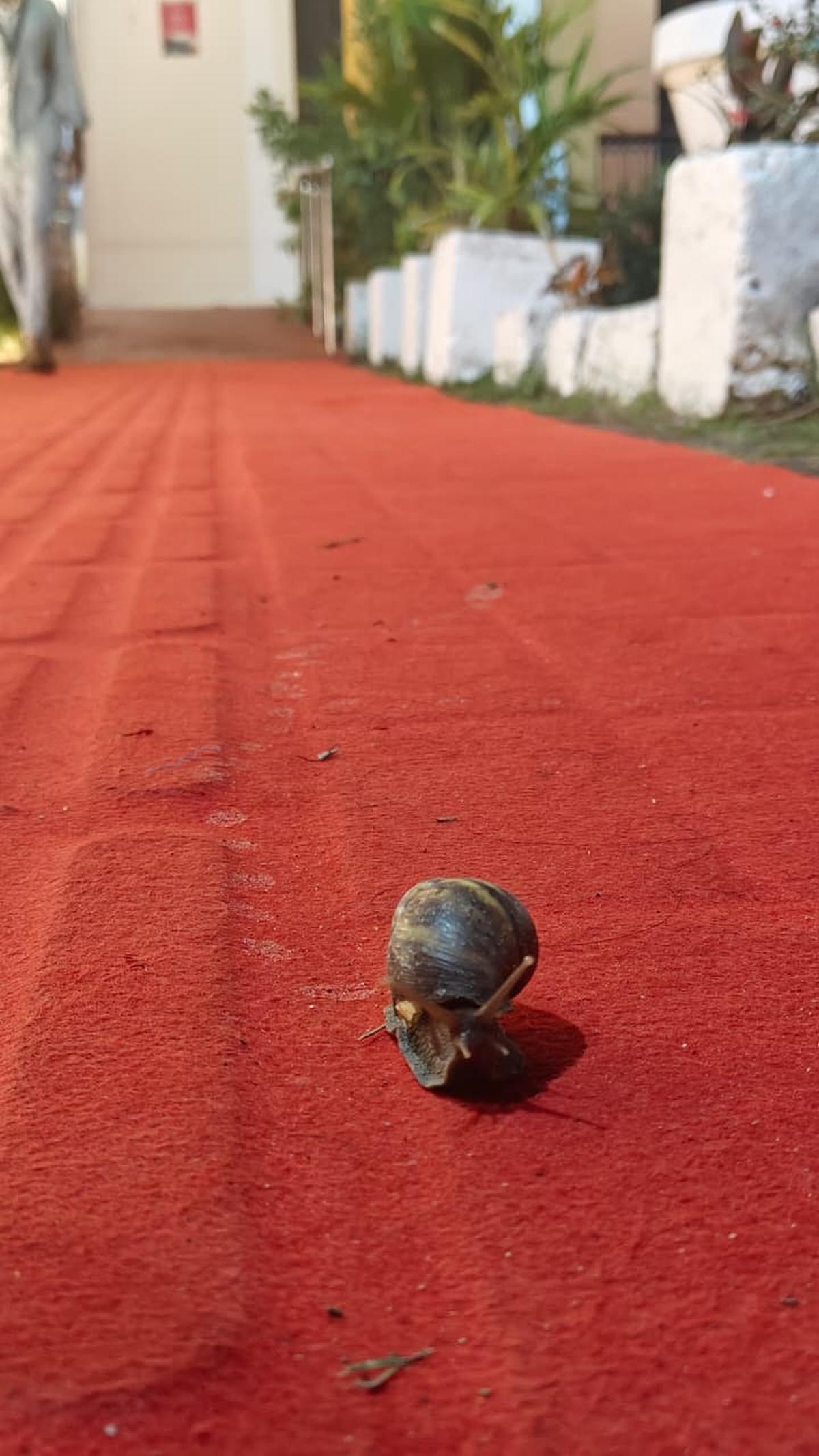
A snail walks the red carpet at the 56th International Film Festival of India in Goa
| Photo Credit:
Ayaan Paul Chowdhury
Walking out into the hollowed-out festival complex, the sight of a little snail making its red-carpet debut finally made me understand why this generational classic never runs dry.
Yi Yi restores the small things that exhaustion erases.
Yi Yi was screened at the 56th International Film Festival of India in Goa
Published – December 01, 2025 04:39 pm IST
[ad_2]
IFFI 2025 | Reliving Edward Yang’s restored masterpiece, ‘Yi Yi’


